

Support CleanTechnica’s work through a Substack subscription or on Stripe.
VinFast has rolled out four new electric scooter models in Vietnam, and this is not a routine product refresh. It is a coordinated escalation across hardware, software, pricing, and energy infrastructure, designed to lock in domestic market dominance before foreign platforms — most notably Gogoro — can achieve meaningful scale. The strategy is less about novelty than about closing off alternative paths.
CleanTechnica tested VinFast’s earlier electric scooters in 2022 and again rode updated versions in 2024. Those machines were competent but transitional, proving that electrification could work in Vietnamese traffic rather than defining what electric scooters should feel like. The newly announced 2026 models represent a clear step forward. Revised controller firmware delivers smoother throttle response and improved low-speed modulation, while updated chassis tuning and design give the scooters a more European ride character, with tighter proportions, cleaner surfaces, and a more refined on-road feel.
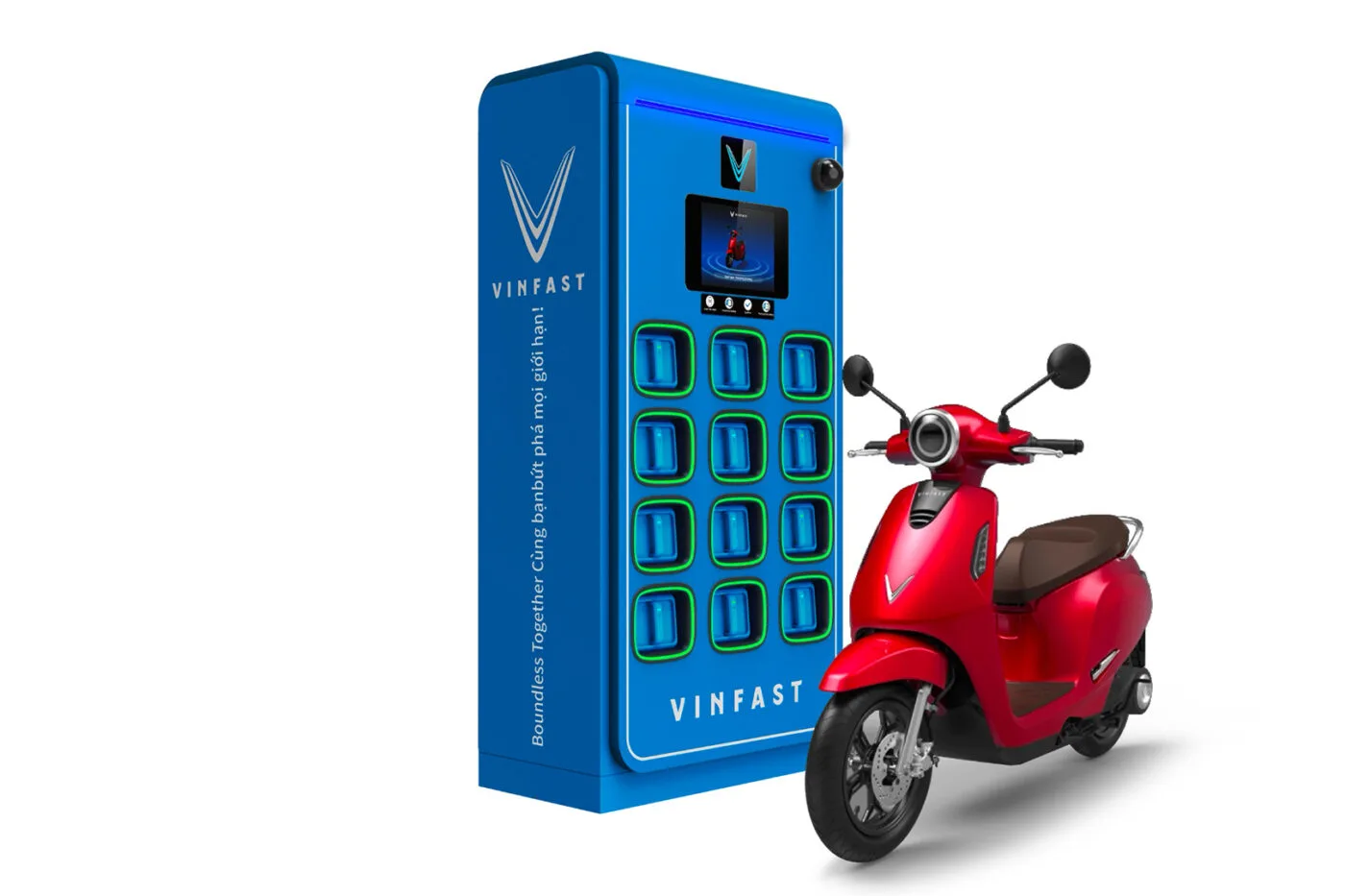
Earlier generations of VinFast scooters emphasized reliability and accessibility over differentiation. Performance was adequate, connectivity limited, and battery swapping existed more as an option than as a system-defining feature. That approach helped build trust but left room for competitors. The new lineup closes that gap by treating battery swapping as a structural constraint rather than an accessory.
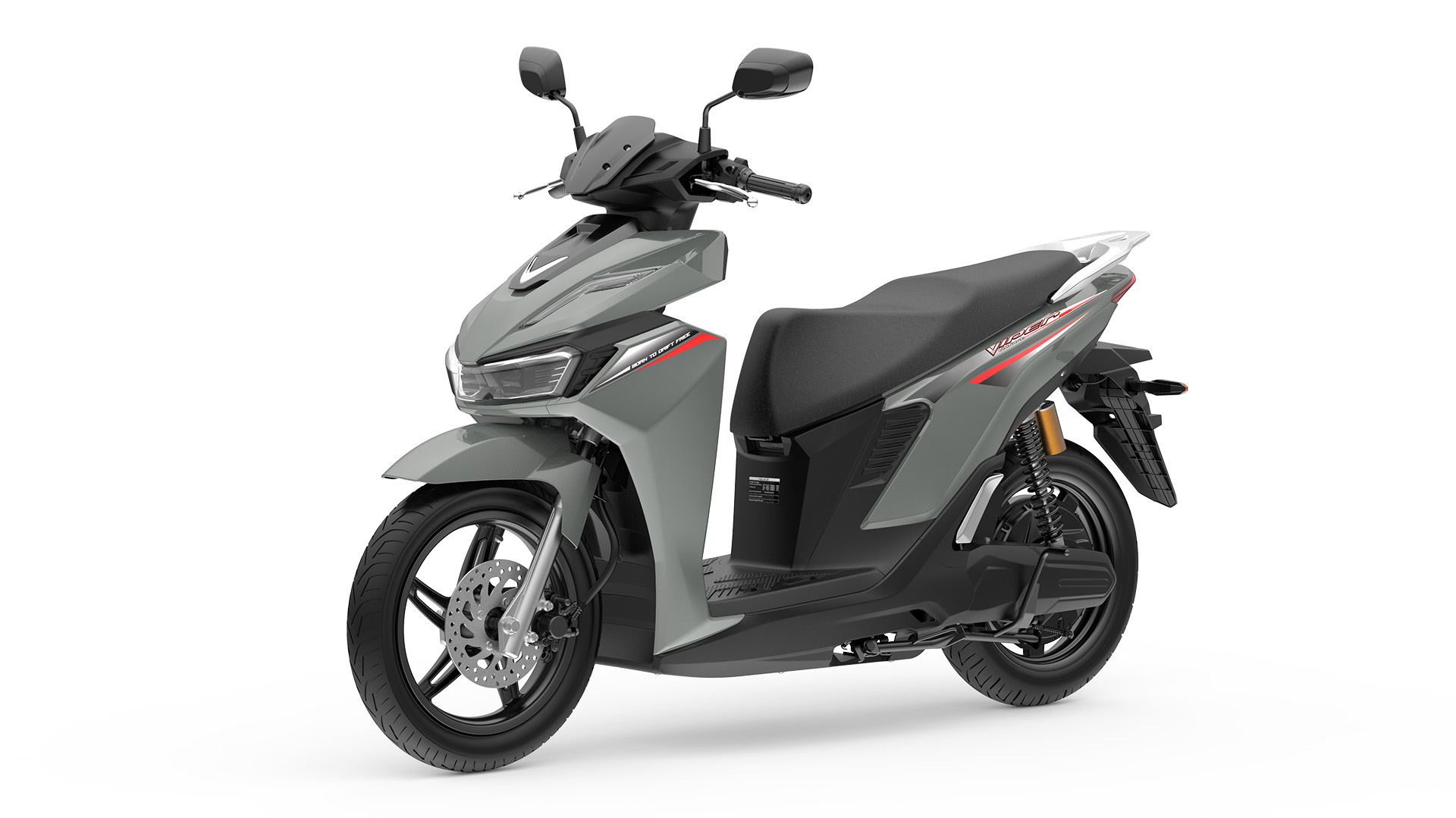
Three of the four new models — Evo, Feliz II, and Viper — are built around a standardized dual-battery architecture designed explicitly for rapid exchange. Each scooter carries two under-seat battery slots, each holding a 1.5 kWh LFP pack chosen for durability and safety rather than maximum energy density. This standardization simplifies infrastructure deployment and fleet integration while allowing riders to remove batteries for home or public charging when needed.
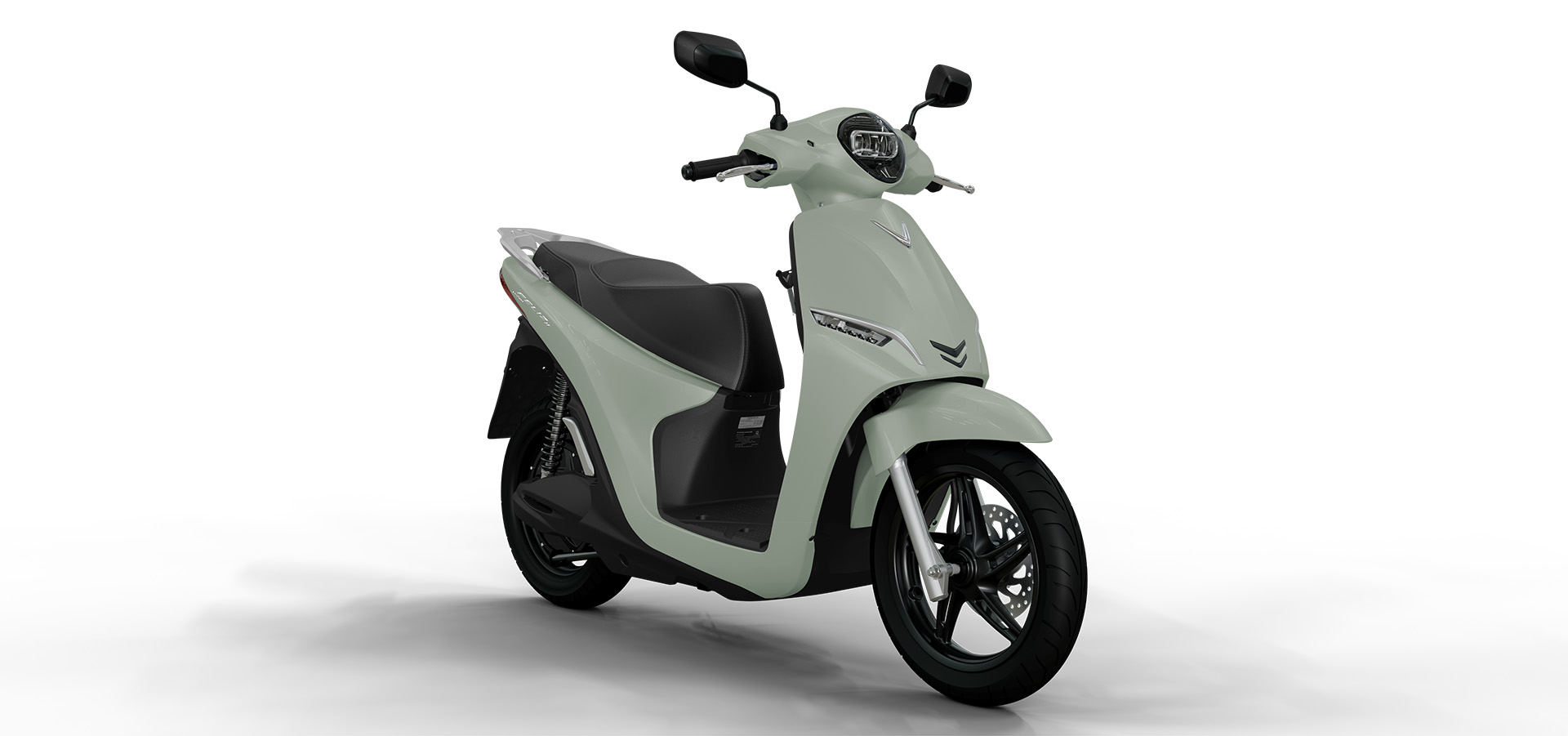
Performance tiers are clearly defined. The Viper and Feliz II both use BLDC in-hub motors with peak outputs of 3,000 W and support top speeds of up to 70 km/h, positioning them squarely as primary urban transport. The Evo uses a slightly lower-output 2,450 W motor but reaches the same top speed, while the Evo Lite variant caps speed below 50 km/h to remain license-exempt. With two fully charged batteries installed, the Evo delivers up to 165 km of range under standard conditions, while the Viper and Feliz II reach approximately 156 km.
VinFast has paired this hardware with pricing structured to feel familiar to gasoline riders. Battery subscriptions are set at 175,000 VND per month (about US$7.15) for one pack or 300,000 VND per month (about US$12.25) for two, while individual battery swaps cost 9,000 VND (about US$0.37). These numbers are deliberately low-friction, reframing energy access as a predictable operating cost rather than a behavioral shift.

Vehicle pricing reinforces that positioning. The Evo Lite is priced at 17,000,000 VND (about US$695) excluding batteries, while the standard Evo comes in at 19,990,000 VND (about US$815). Early buyers receive a 1,000,000 VND discount (about US$41), with first deliveries scheduled for February 2026. Rather than pushing subsidies as a headline, VinFast integrates them quietly through financing and usage incentives.
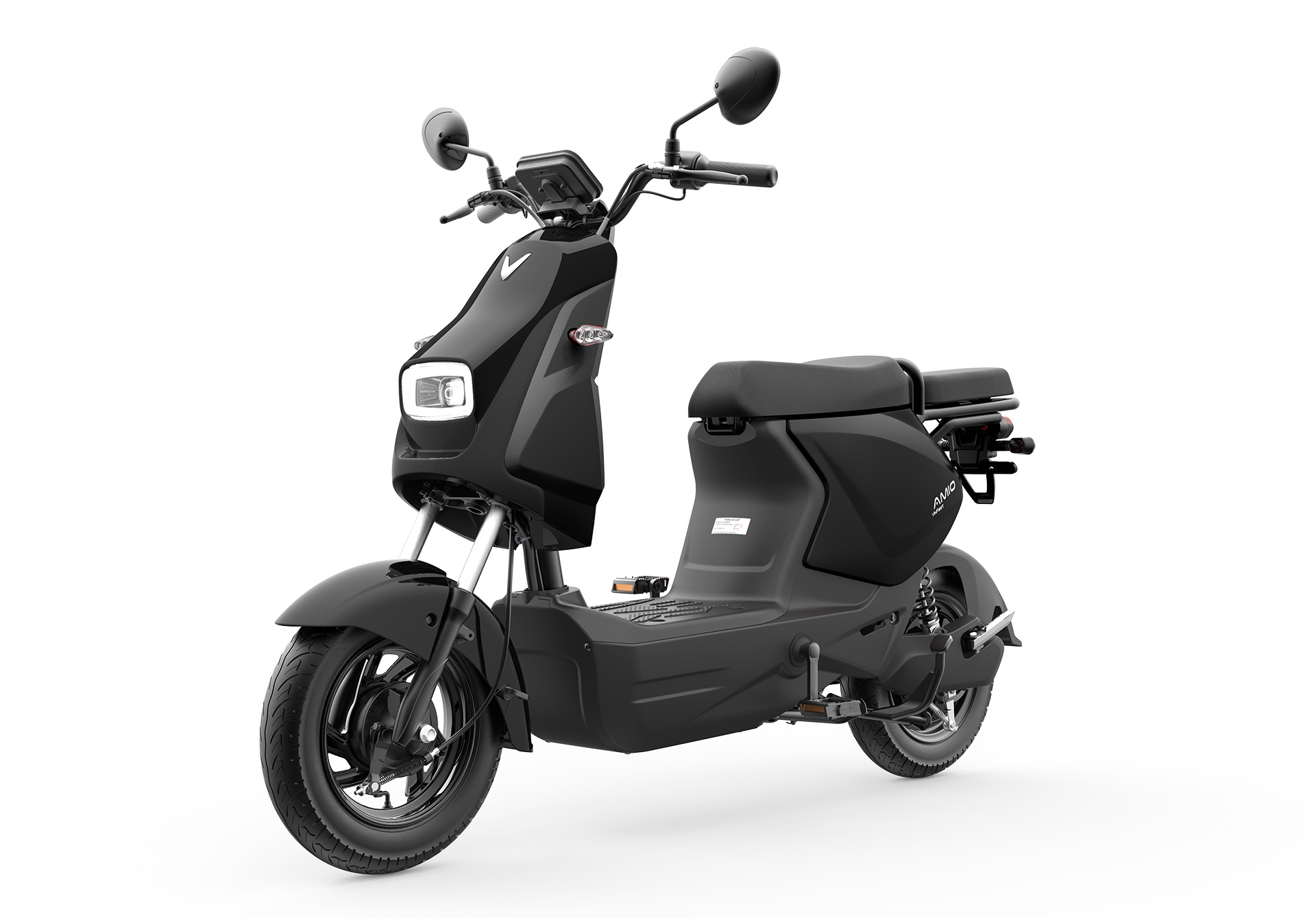
The fourth model, Amio, sits outside the swapping ecosystem but plays an important strategic role. With an 800 W motor, a top speed of 30 km/h, and a 1.024 kWh LFP battery providing up to 65 km of range, it targets students and license-exempt riders. This is not a performance product, but a funnel — an entry point that pulls first-time electric riders into the VinFast ecosystem early.
Financing and operating incentives complete the system. Buyers can access zero-down payment plans, receive automatic price discounts and registration fee support, and charge for free at V-Green public stations through mid-2027. Battery swap users receive free swapping for six months, extended to twelve months for drivers operating on the Xanh SM commercial platform. These incentives are not temporary promotions so much as behavioral accelerants, designed to normalize electric scooters as the default urban mobility choice.
For the competition, especially Gogoro, which has put its bets on Vietnam, the implications are stark. Battery swapping was once its defining advantage. In Vietnam, that advantage is being replicated — and increasingly surpassed — by a domestic manufacturer that controls production, pricing, infrastructure rollout, and regulatory alignment. Gogoro’s asset-light strategy may limit financial risk, but it also limits speed and density in a market where both now matter more than originality.
And there is the other intangible part. Nationalism and patronizing its own products. Vietnam may be a considerably small volume market, but its ambitions to sell its technology globally is clear, and its parent company, VinGroup, is laser-focused on successfully accomplishing its global ambitions.
Sign up for CleanTechnica’s Weekly Substack for Zach and Scott’s in-depth analyses and high level summaries, sign up for our daily newsletter, and follow us on Google News!
Have a tip for CleanTechnica? Want to advertise? Want to suggest a guest for our CleanTech Talk podcast? Contact us here.
Sign up for our daily newsletter for 15 new cleantech stories a day. Or sign up for our weekly one on top stories of the week if daily is too frequent.
CleanTechnica uses affiliate links. See our policy here.
CleanTechnica’s Comment Policy
