

Sustainability professionals often point to uncertain regulatory conditions as a factor in the slowing of progress in meeting corporate climate goals.
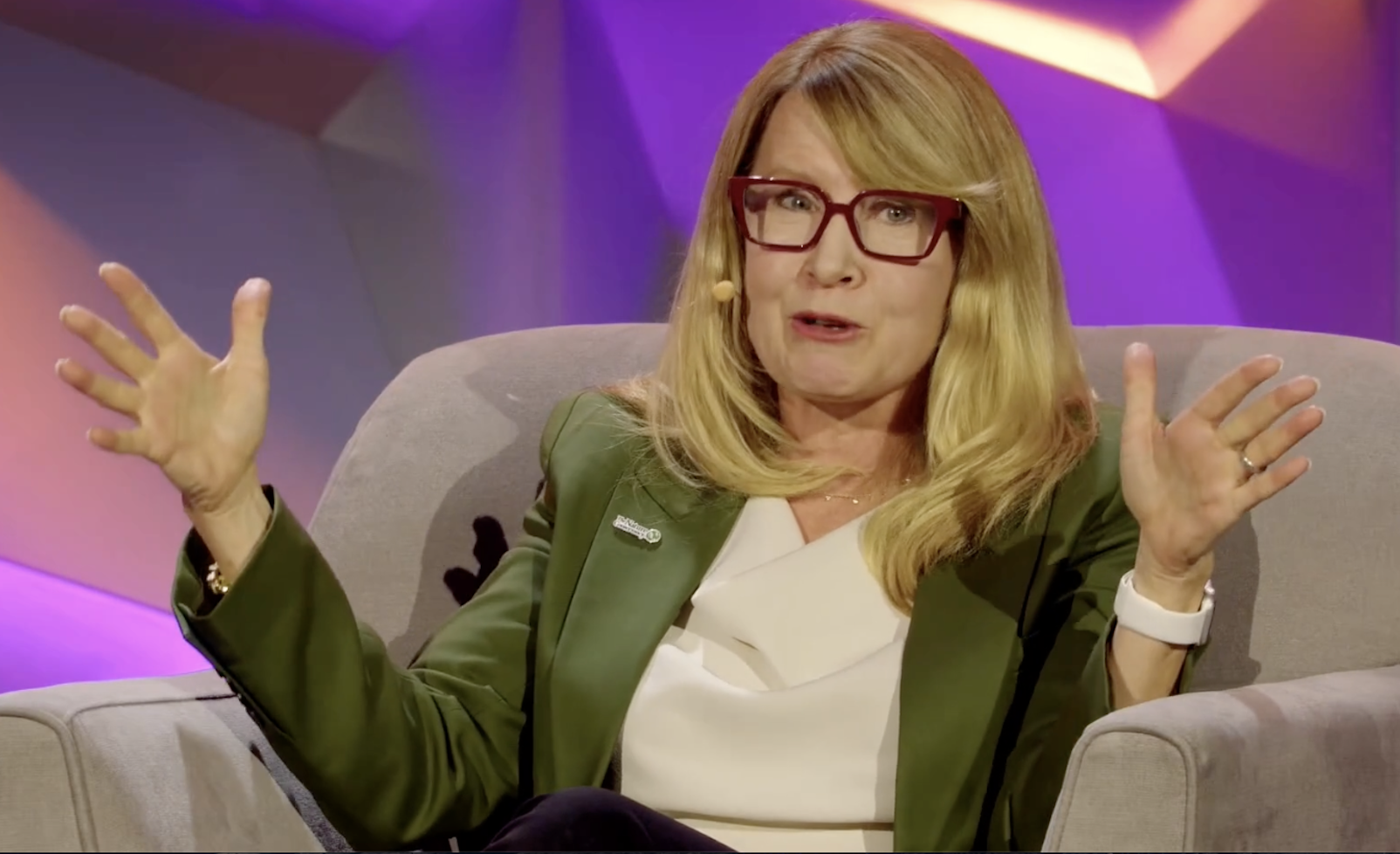
Over-reliance on established environmental precedent or incentives is equally risky, said Jennifer Morris, CEO of environmental nonprofit The Nature Conservancy, during remarks at GreenBiz 26.
Referring to dozens of regulations and laws that have been reversed or attacked by the Trump administration, Morris said she was caught off guard by “the unbelievable swiftness” at which policy can be overturned. “We worked for decades on a lot of policy that, with the stroke of a pen, is gone,” she said.
Despite the absence of these guardrails, though, companies have to continue to fight, making the financial case for action regardless of federal support and leaning into signals from consumers and customers, she said. They must not use policy as a crutch for inaction.
Morris’ observations came in answer to a question that was posed to leaders during the conference: “What’s something you learned in 2025 that you don’t want your 2026 self to forget?”
Here are some other useful lessons learned:
Don’t wait for all the answers
Chris Hagler, co-founder and CEO of consulting firm Impact Pathways, said Corporate America’s response to President Trump’s tariff 2025 policies — along with the ripple effect on her own business — took her by surprise. Many companies froze spending on travel and consulting, and it took more time than she anticipated to adapt.
The most successful sustainability leaders will grow more comfortable with uncertainty and be better prepared to adjust in real time, she argued. “We have to figure out what we’re clear about, move forward, and if it doesn’t work, then just try something else,” she said. “It’s okay to do that.”
Embrace risk
Suntory’s lead environmental sustainability executive, Kim Marotta, added responsibility for enterprise risk to her job description in January 2025. That intersection will reframe her conversations with other C-suite leaders in 2026. Water quality and scarcity, for example, are two of the spirit maker’s biggest long-term business threats. The technical expertise of her team on these matters is invaluable.
Even if a sustainability professional doesn’t have “risk” in their title, framing initiatives from that perspective can deliver a powerful message to skeptics across the company, she said; creating value and building resilience matters. “Getting back to those basics is what I’m really trying to drive home this year,” Marotta said.
Matt Dwyer, vice president of global product footprint for outdoor apparel company Patagonia, told conference attendees that the shifting geopolitical climate in 2025 made him more determined to hunt for entrepreneurs who can turn his company’s risks into new growth opportunities. The most successful companies thrive by addressing risk. Finding new materials sources for Patagonia’s products then makes good business sense, he argued.
“The outside world is doing all kinds of things to us,” Dwyer said. “It’s a really bleak environment out there, but we can’t settle into the idea that no risk is good risk. We have to explore. We have to innovate, we have to have our binoculars towards the horizon.”
